 Raisedash
Give drivers a safe place to practice hard conversations.
Drivers speak with an AI inspector, dispatcher, or customer and receive feedback based on your rubric. They can practice privately on their phones before the real conversation happens.
Voice practice
Roadside inspector
Officer M.
Listening to you…
Why practice matters
Knowing the answer is different from saying it under pressure
Videos and quizzes can explain what to do. Spoken practice helps drivers do it clearly in the moment.
Drivers handle conversations that affect safety, service, and compliance. A roadside inspection, a dispatcher call, and a difficult customer all require the driver to listen, respond clearly, and stay composed.
Voice roleplay lets the driver rehearse those moments with an AI character that responds in real time. Your team defines the situation and what a good response should include. The driver receives specific feedback and can practice again.
For English-language proficiency, FMCSA advises carriers to assess whether drivers can communicate with law enforcement during a roadside inspection. Its carrier guidance recommends a driver interview as part of that process. Raisedash makes this kind of spoken practice repeatable, but your fleet still decides whether a driver is qualified.
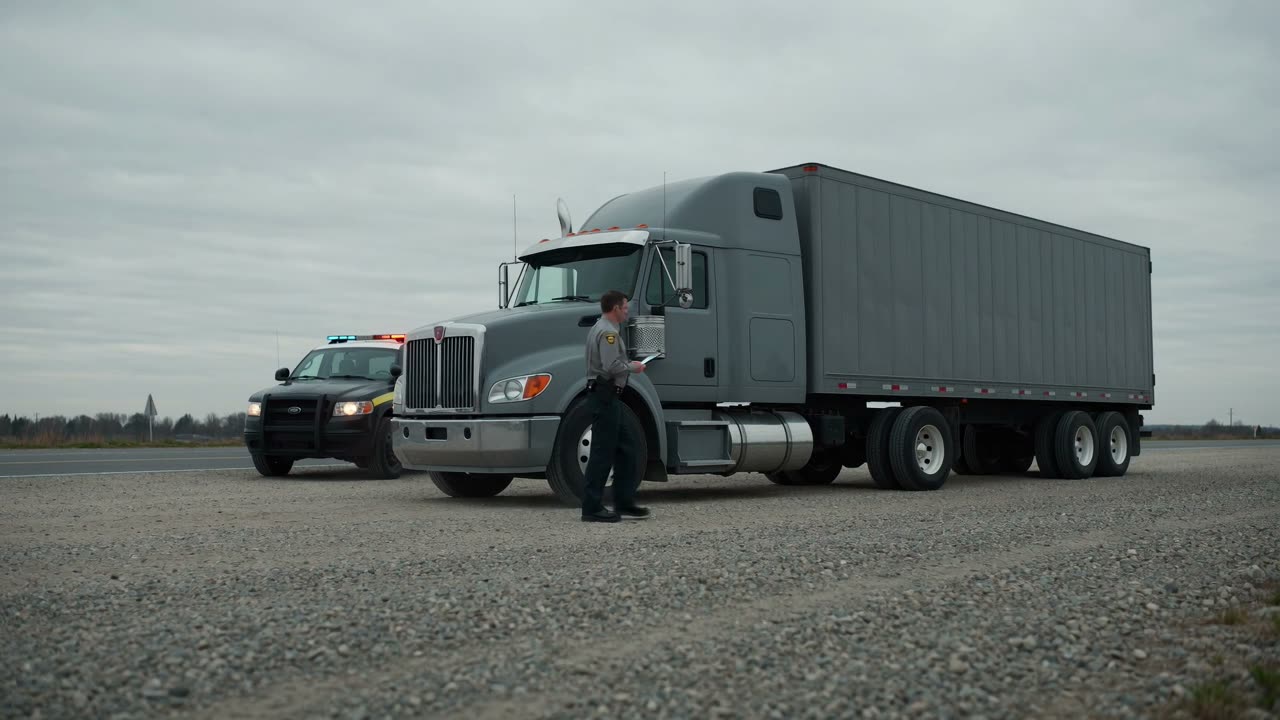
A roadside inspection requires a driver to listen, understand, and respond clearly in the moment.
Driver practice
The driver does the talking
Each driver gets a private practice partner that responds to what they actually say.
Every scenario is a live, two-way spoken conversation. The AI character answers what the driver actually says, follows the behavior your team defined, and can be interrupted mid-sentence. It also closes the conversation naturally when time runs low. The driver gets realistic practice without the consequences of making a mistake in a live situation.
Want drivers to feel the format first? TruckTalk, our free ELP practice tool, includes roadside-conversation practice.
How it works
Write the scene once. Every driver gets a live partner.
- 1
Write the scenario and the character
Describe who the driver is talking to, how the character should behave, and which details it should challenge.
- 2
Write the rubric
Add up to ten plain-language criteria and mark each one required or optional. Drivers see the expectations before they begin.
- 3
The driver practices out loud
A live spoken conversation in the phone browser. The character answers, pushes back, can be interrupted, and wraps up naturally when time runs low.
- 4
Scored on what was actually said
After the call, the conversation is graded against your rubric using the driver's own words as evidence. Passing requires every required criterion.
- 5
Feedback the driver can use
A plain-language scorecard explains what went well and what to improve. Drivers can retry immediately.
Built in
What makes it real practice
Any character, any scenario
Create practice for inspectors, dispatchers, shippers, managers, or customers.
A real conversation
The character listens, responds, and adapts to what the driver says.
Your rubric decides the pass
Required criteria must all be met. Optional ones coach without blocking.
Graded on the driver's words
Evaluation is anchored to what the driver actually said in the call.
Unlimited retries
Practice is the point. Drivers can try again immediately, every time.
Phone-browser simple
One-time code, mic permission, no app to install.
Natural call ending
The character closes the conversation naturally when time runs low.
Completion means passed
A roleplay only counts as complete when the driver passes it.
Speech is the skill
Practice out loud, not in your head
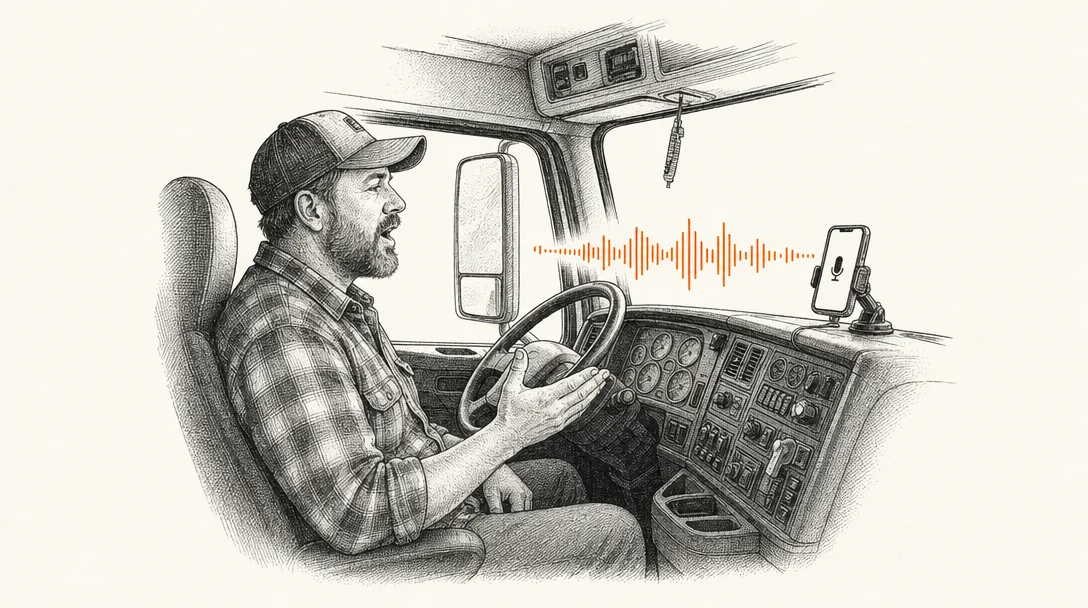
Reading about a roadside stop and getting through one are different skills. The stop is spoken: questions arrive out of order, in an official's phrasing, under time pressure. Practicing out loud with something that answers back prepares the driver for that experience.
Roleplay turns instruction into repeatable practice. Every passing attempt is recorded with the rest of the driver's training history.
FAQ
Voice roleplay questions
What is AI voice roleplay training for truck drivers?
It gives drivers a safe place to practice spoken conversations such as roadside inspections, dispatcher calls, and customer interactions. The driver speaks in a phone browser, the AI character responds in real time, and feedback is based on criteria written by the fleet.
Does this prepare drivers for the FMCSA English proficiency check?
It can help drivers practice the spoken part of a roadside interaction in English. FMCSA advises carriers to evaluate whether drivers can communicate with law enforcement during the qualification process. Roleplay makes that practice repeatable and private, but it is not a certification or legal determination.
What does the driver see after a conversation?
A pass-or-fail scorecard with a short summary and per-criterion feedback written to the driver, based only on what they actually said. If they fail, they can immediately try again.
Who writes the scenarios?
Your team does. Describe the scene, the character's role and behavior, an optional opening line, and the success criteria in plain language. You do not need to write a script or dialogue tree.
What if the driver's microphone doesn't work or the call drops?
Raisedash detects a silent call and asks the driver to check the microphone and retry. Dropped connections are handled the same way, so technical problems are not scored as failed practice.
Does a roleplay count toward training completion?
Yes. A roleplay is marked complete only after the driver passes the conversation. It cannot be skipped.
Explore the generators
Four ways Raisedash generates training
AI training video generator
Describe a topic and get a finished, narrated training video.
Learn moreAI training program builder
A brief becomes a full training program you review and approve.
Learn moreInteractive simulations
Tap-through practice replicas of the apps drivers must use.
Learn moreEverything generated here is assigned, tracked, and recorded like any other Raisedash training. See training evidence and driver experience.